
Highlights
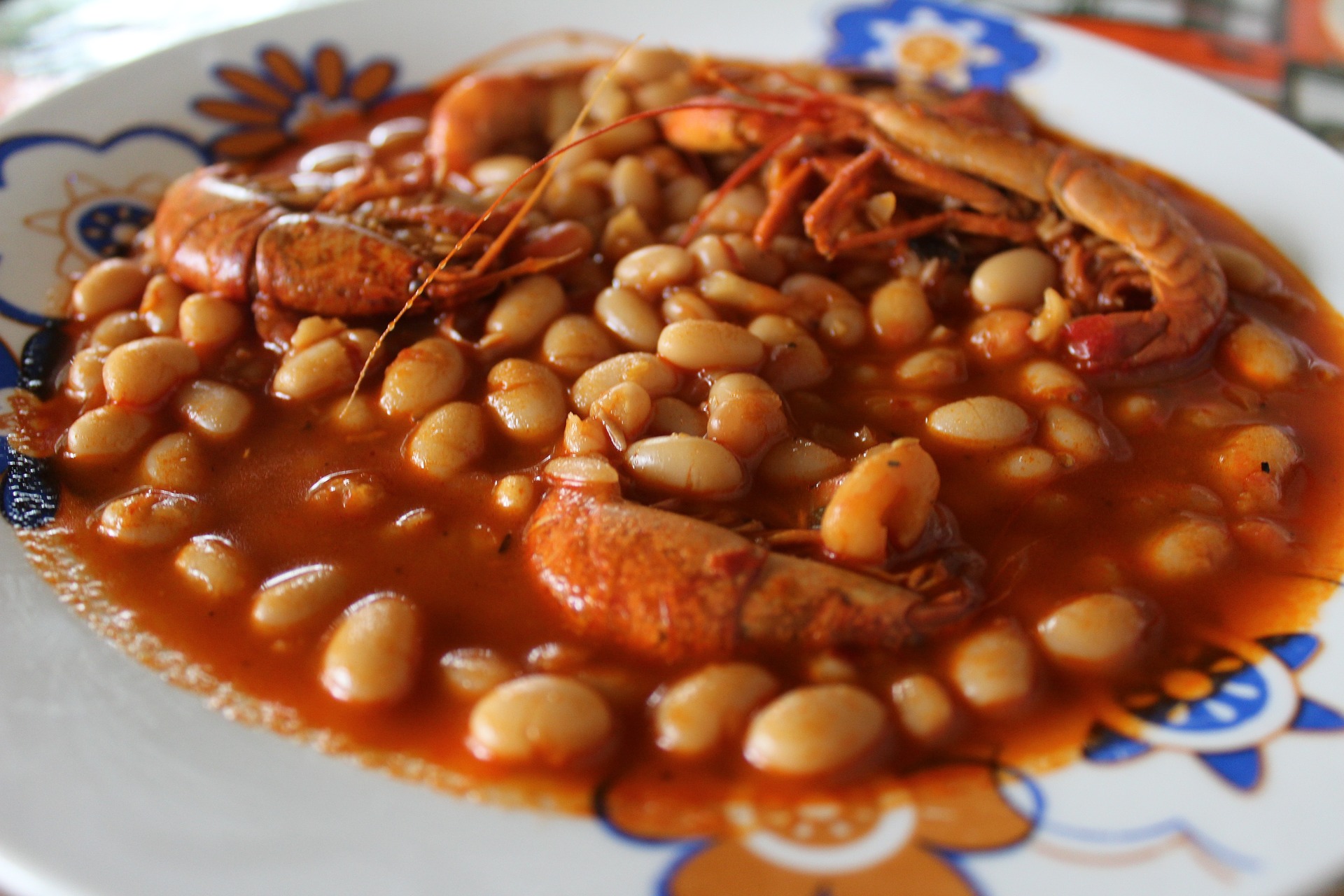
Mexican gastronomy is well recognized world-wide. Like all arts, Mexico’s culinary art is developing continuously. During the past years, Mexican chefs have experimented with different techniques and ingredients from other parts of the world and have managed to fuse them with the traditional Mexican ones. The result of this is a unique trip of savors and sensations in the world of Mexican contemporary cuisine, which can be enjoyed in various recognized restaurants all over the country. In several dining temples, the never-ending creativity of the chefs and their unique seasoning flavor original dishes, which are capable of satisfying and surprising even the most demanding palate.
-
Itinerary - click for more
Day 1: Mexico City arrival
Arrival at Mexico City international airport and meet and greet by your English-speaking guide. Luggage handling at the airport and transfer by bus with air-conditioning and sound system to the hotel of your choice.
Luggage handling at the hotel, check-in and accommodation.Day 2: Mexico City / Puebla
Breakfast at the hotel. Check out and departure to Cholula (approx. 2-hour drive).
Cholula was for centuries one of the largest cities in Mesoamerica and ideally located on the main trade route for obsidian, pottery and tropical goods. Once organizing one of the largest fairs of ancient America, the town reaches its peak in the sixth century before declining.
Admire the pyramid “Tlachihuatepec” or “handmade mountain”: the fruit of a thousand years of effort by Cholulans culture, one of the largest and most important of the American continent, to raise this sacred place dedicated to the gods of rain. Continue to the city of Puebla, only 12 kilometers from Cholula.
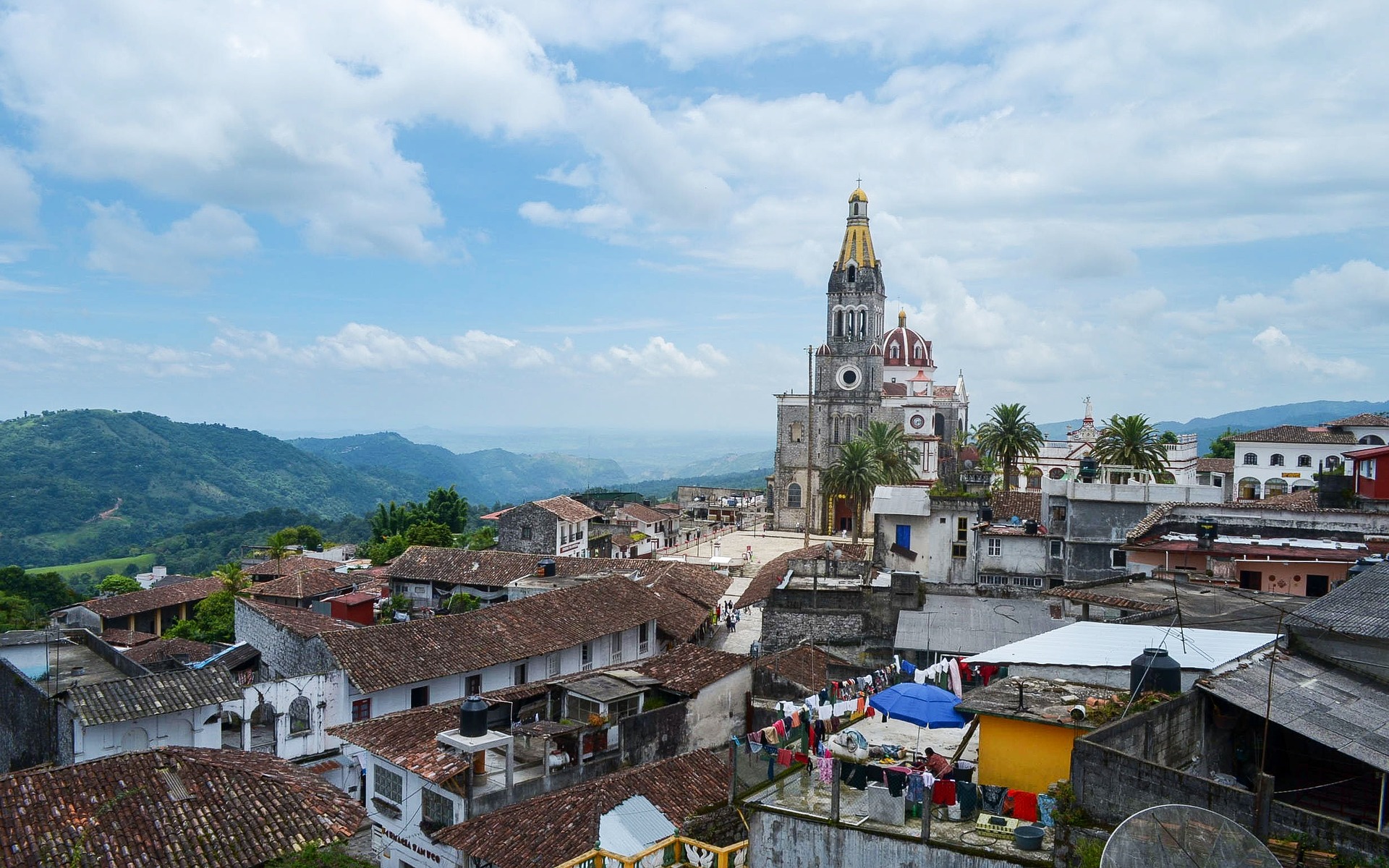
Colonial and provincial, Puebla remains specially as one of the most Spanish cities in Central Mexico; its apparent bourgeois coldness quickly crumbles with the option of walking at right angles in the streets in a chessboard pattern, and the vapors of a popular culture or the Catholic fervor reach you and the good food works as an excellent cleaning.
Lunch at the restaurant “Fonda Santa Clara” with a menu that honors the gastronomic reputation of the city and where you can discover the regional “Poblana“-cuisine.Puebla’s Gastronomy
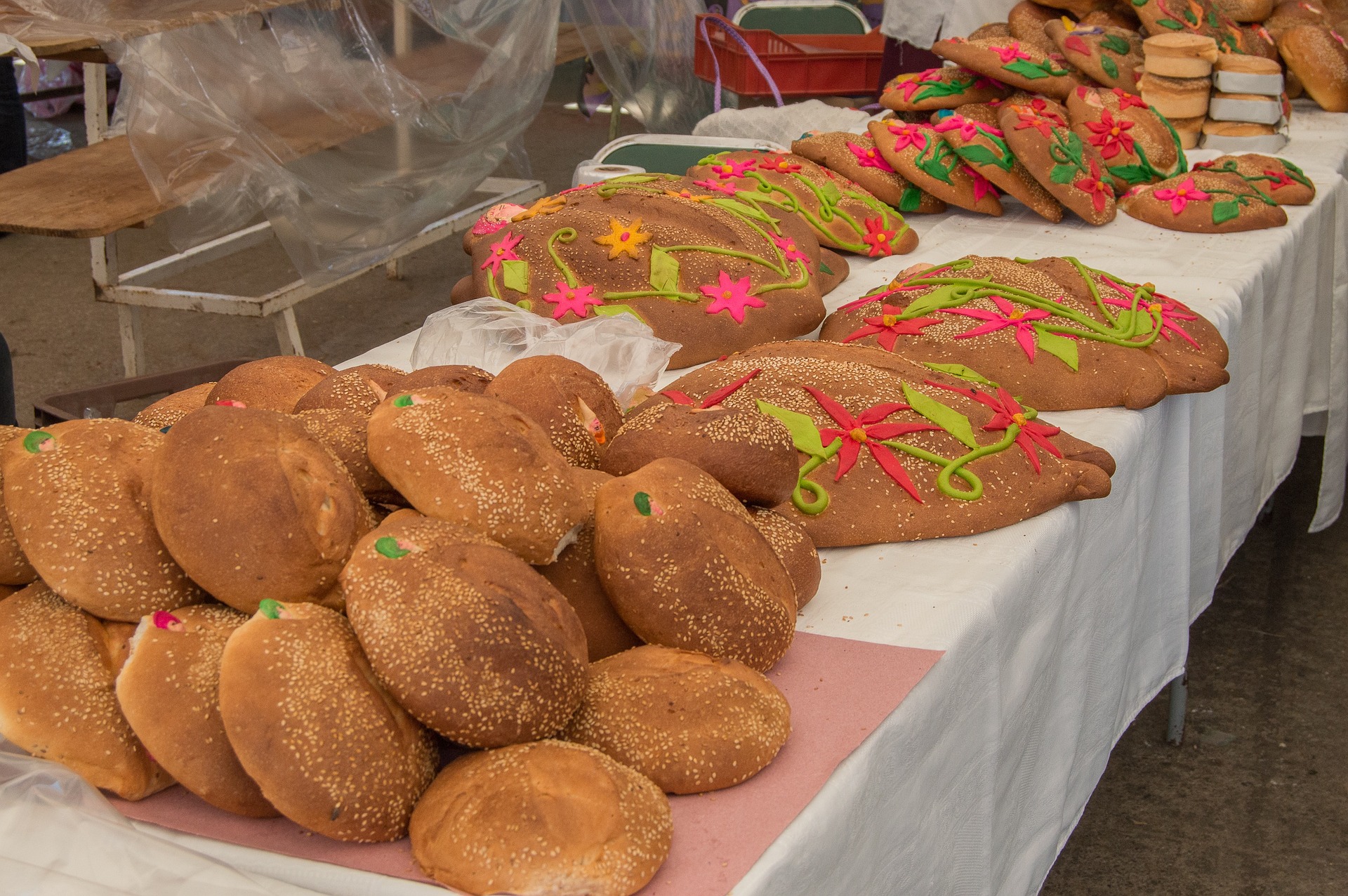
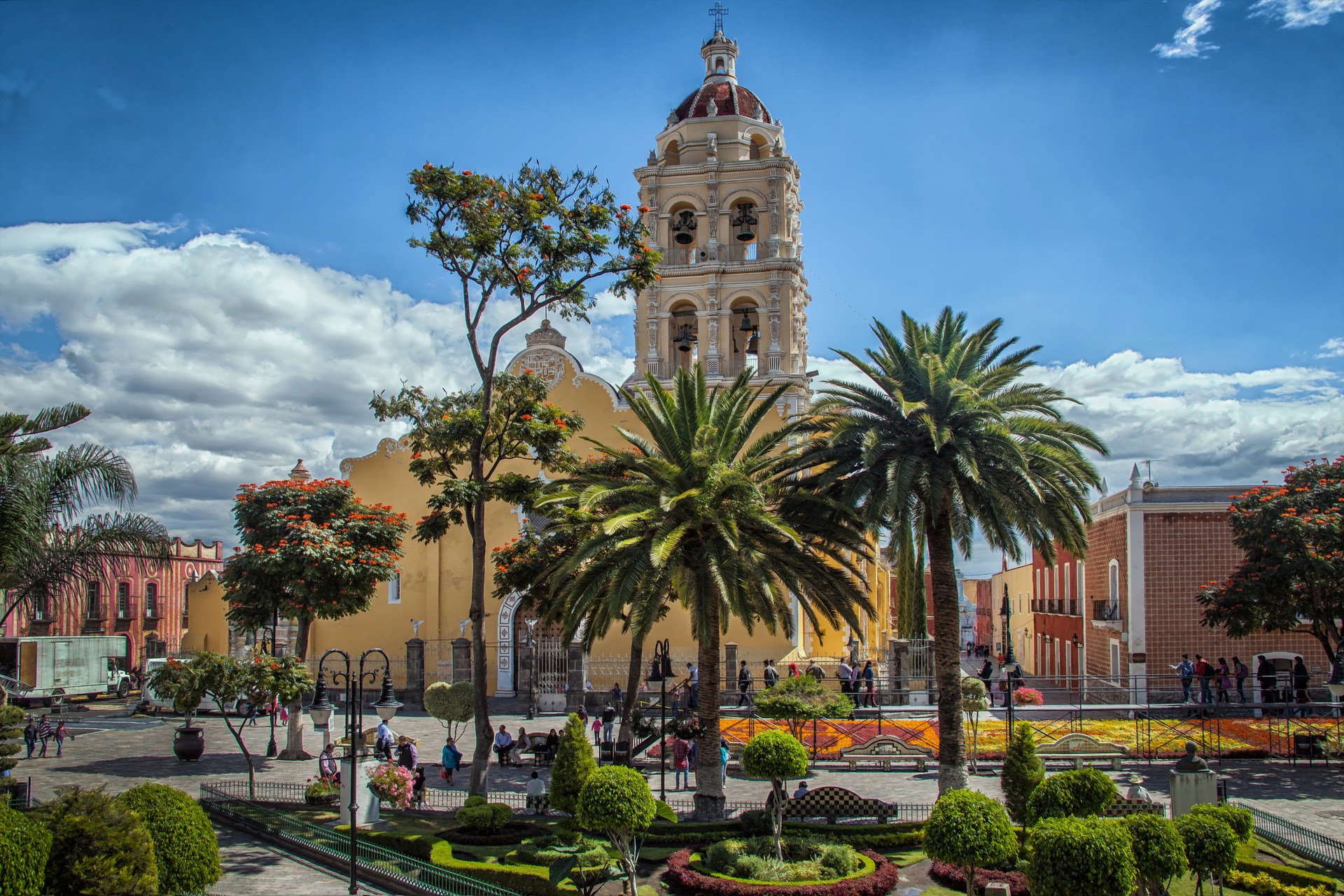
The wide variety of spices, dishes and sweets that make up the cuisine of Puebla is one of the greatest culinary heritages you can enjoy during your stay. “Mole” (consisting in a rich blend of spices, seeds and chilies) is one of the most important dishes of the state and has acquired an international reputation as a sauce that is served, preferably during the months of August and September. Note also the “chalupas” (boats), the pipián sauce (based on chilies and pumpkin seeds), as well as maguey worms. Not to mention the homemade desserts that adorn the fronts of confectionery in the city in a pleasant explosion of colors, aromas and flavors; with delicious cakes of Santa Clara, mazapan cakes and goat milk, and delicious camotes (sweet tubers) to the vanilla, coconut and pineapple. After lunch, arrival to the Zocalo of the “City of Angels”, as Puebla is also called, where it is possible to admire some of the best examples of religious architecture from the Colonial era of Mexico. Visit the Cathedral, and the Rosario Chapel, an architectural jewel of the eighteenth century, as well as the El Parian market. All along the way, see an infinite number of beautiful colonial houses. Arrival to the hotel of your choice and check-in with luggage handling.
In the evening, transfer to the restaurant “Casona de la China Poblana” for dinner
With the taste of Mexican tradition and a vanguard touch, this restaurant offers local cuisine with the highest quality. You can taste dishes such as chicken in classic mole sauce, “chamorro en mole verde” (pork shank in green mole sauce), a rabbit at peasant style or a dessert made of mole, all accompanied by “aguas frescas”, fresh beverages made of natural fruit and water and essential on the tables of Mexican households. Return to your hotel and overnight.Day 3: Puebla, Oaxaca
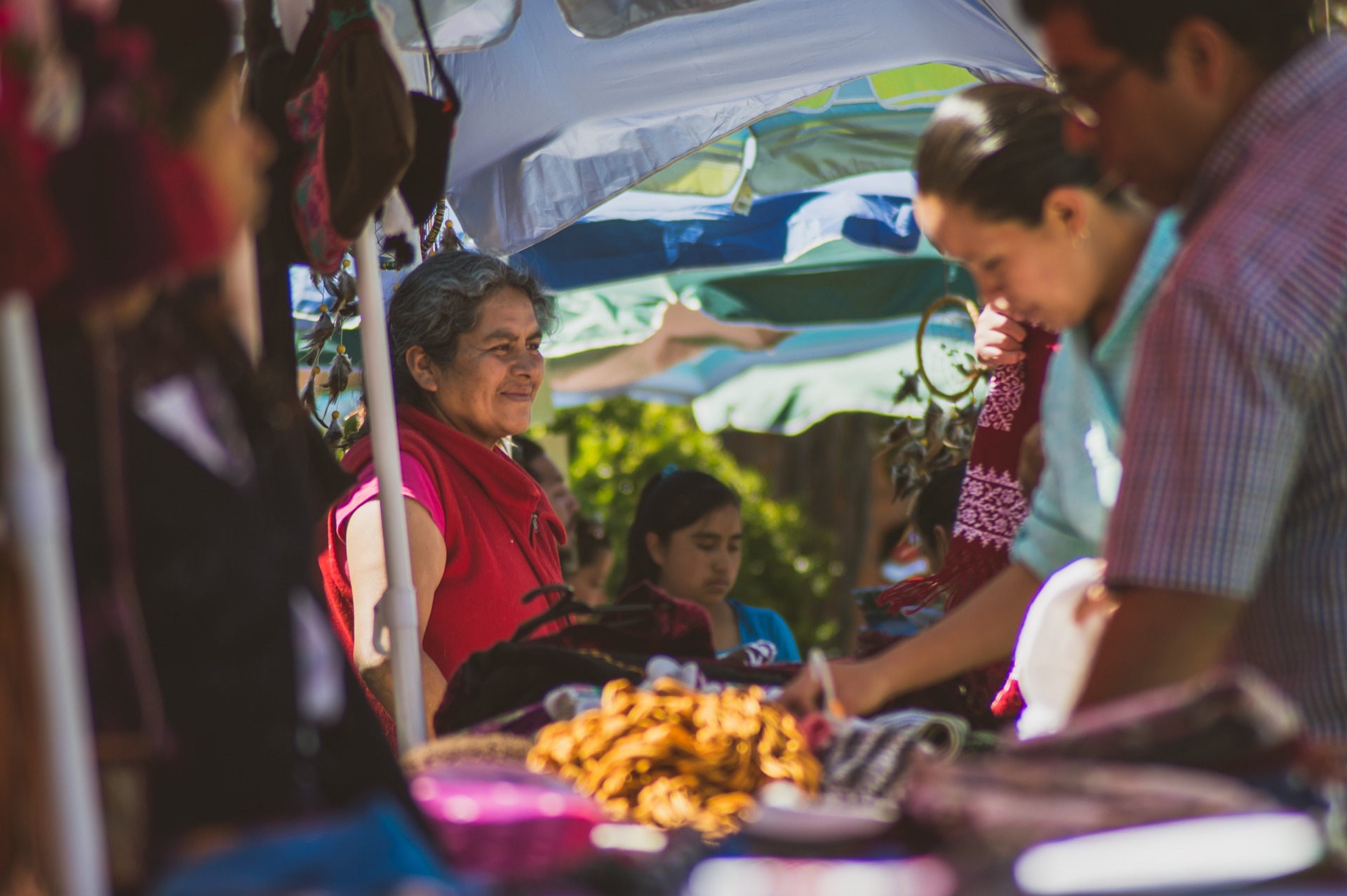
Breakfast at the hotel. In the morning, visit a local food market in Puebla: Mexican food markets astonish with bright colors, strong scents and exotic displays. Here you will find fresh fruits and vegetables of the season, including some you never knew existed. Head to the hotel Quinta Real Puebla for a cooking demonstration with one of the hotel’s master chefs and learn how to prepare an authentic Poblano dish; afterwards, enjoy your typical lunch. In the afternoon, departure towards Oaxaca (approx. 5-hour drive). Arrival to the hotel of your choice and check-in with luggage handling.
Dinner at leisure. OvernightOxacas’s Gastronomy
The city of Oaxaca is famous for its rich gastronomic tradition, a result of the merger between Spanish and indigenous cultures. Among the most popular dishes that you can enjoy here is once more the indispensable “mole”. Its taste and color (there are more than seven kinds of “mole” in Oaxaca) depend on the number and types of pepper used to prepare it. Then there are the “tamales”, prepared with corn flour and stuffed with “mole” or pork, and wrapped in banana leaves. Do not miss to try the famous “quesillo” fresh cheese, accompanied by a dough, which is cooked in hot water and rolled into a coil, to be eaten in small pieces or melted on top of several dishes. For more eccentric tastes, taste grilled or fried grasshoppers and maguey worms from the agave-plant, either grilled or in a sauce, which can be served in a warm tortilla like a taco. For thirst during the meal, there is nothing better than a delicious rice water (or chia), or the traditional Tejate (mixture of cocoa and corn) or for a coffee break a mezcal – the typical drink of Oaxaca from the maguey.Day 4: Oaxaca
Breakfast at the hotel. In a small Zapotec community in the Valley of Oaxaca, a family settled in the countryside welcome visitors into their traditional kitchen with a wooden stove. Your host will be one of so-called “Comideras” who are in charge of preparing the food for any festivity organized in the surrounding villages. These ladies of high reputation are well-known for their excellent seasoning. Prepare 3 dishes from the following options: Nicuátole, tortillas, sauces, empanadas, sopa de guías, cuitlacoches (corn fungi), nopal soup, atole and other options depending on the time of year. Return to Oaxaca and city tour of Oaxaca, capital of the state of the same name. Admire the architecture of those beautiful buildings that adorn its Historic Center, recognized as a World Heritage Site by the UNESCO: the Cathedral, the Temple and ex Convent of Santo Domingo de Guzman, The Basilica of La Soledad, as well as the Macedonio Alcala Theater, among the splendid buildings of the Colonial era and 19th-century. Visit the Museum of Cultures in the former convent of Santo Domingo, where you can appreciate the art and beauty of the rich ornaments found by archaeologist Alfonso Caso in the tomb number 7 in Monte Alban
Return to your hotel in the evening and dinner at leisure.Day 5: Oaxaca
Breakfast at the hotel. In the morning, visit of Monte Alban.
The three valleys of the Centre have always been central to the life of Oaxaca. The site of Monte Alban started around the 6th century BC and was the focal point of three valleys. The Zapotec civilization based its cultural and commercial development, controlling all valleys of the centre of Oaxaca and other areas before the height of the site, between 250 and 750.
This site numbered nearly 25 000 inhabitants at its peak, suffered a sharp decline after 750 and was then abandoned, like many other sites in the surrounding Zapotec valleys. The site stands on an artificial plateau, atop a hill overlooking the valley floor, which makes it very impressive. Among the most imposing buildings of the site, you can count the Palace, which was found atop a tomb built in cruciform after the abandonment of virtually the entire site.
Continue to Cuilapam de Guerrero where you can visit its old ex-monastery and admire its beautiful architecture and style. At the Zapotec village of Zaashila, enjoy lunch at the restaurant “La Capilla” with a typical menu, served on large tables, a very friendly atmosphere and delicious meals made from pork chops grilled over charcoal, sopa de guía, one of the most representative soups of Oaxaca, prepared with the zucchini plant.
In the afternoon, continue to San Martín Tilcajete, where artisans create “Alebrijes”, brightly colored Oaxacan-Mexican folk art sculptures of fantastical creatures. While here, you will also be given the opportunity to create your own masterpiece. In the evening, transfer to the restaurant “Itatoní” for dinner.
Meaning “corn flower” in the Mixtecan language, Itatoni was created as a sanctuary to honor the main ingredient, which gave strength to the people’s ancestors to build outstanding pyramids and develop an accurate calendar: the corn grain. This simple, but authentic food place combines organic corn with ancient recipes based on this ingredient, and the results are tasty samples of contemporary Mexican cuisine, from snacks to more elaborate dishes.
Return to your hotel and accommodation.Day 6: Oaxaca
Breakfast at the hotel. In the morning, drive to Santa Maria del Tule, place where you can admire the famous ancient Tule Tree. Continue to Hierve el Agua, bubbling mineral springs forming petrified waterfalls and natural bathing pools with a spectacular view of the surrounding valleys. Hierve El Agua means “the water boils”, but the mineral-laden water is actually cold, though the jaw-dropping panorama makes a bathing experience in these pools worth it. En route, stop at a local Mezcal factory (a so-called “Palenque”) and learn about the fermentation process of this traditional liquor, representative for Oaxaca.
Afterwards, visit of Mitla archaeological site, the most important religious center of the Zapotec during the Post-Classic period. Its buildings were richly decorated with geometric forms and are an outstanding example of the splendor and development of this old civilization.
Round up your trip with a visit of a weaver workshop in Teotitlán del Valle, where wool rugs are manufactured and enjoy a demonstration of the traditional making of garments and the techniques of dyeing wool with natural dyes. Lunch at a local restaurant and return to Oaxaca.
In the evening, transfer to the restaurant “Casa Oaxaca” for dinner.
In this restaurant, the transparency of the light makes the colors vibrate. The subtlety emphasizes the power of evocative aromas and flavors that are born of the fusion cuisine of chef Alejandro Ruiz, where Mediterranean herbs mingle with those found locally. Thus, basil and rosemary share with the holy leaf and the pitiona. In addition, try the pomegranate, fish and seafood, venison and lamb alternated with grasshoppers, huitlacoche (corn fungus) and quesillo (fresh cheese).
Return to your hotel and overnightDay 7: Oaxaca / departure
Breakfast at the hotel. At a convenient time, departure transfer to Oaxaca airport.
***end of services***
Included
Not Included
Hotels or Similar
As a general rule the scheduled hotel for each departure will be one of the above listed.
Note Triple rooms in Mexico count 2 double beds, meaning that 2 people must share one bed
2022 Rates in USD $
| Per Person Double | Triple | Per Person Fourth & Fifth |
|---|---|---|
| $2665 | $2280 | $2035 |
| Single Supplement | $315 |
The CAD ($) rate is indicative of Euro price and subject to change.
Price per person in CAD $ Dollars.